

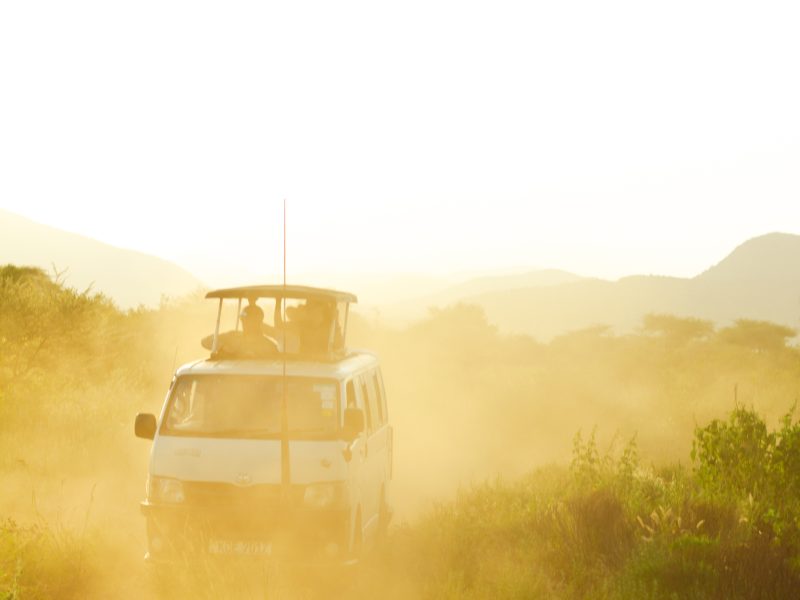
If you’ve ever dreamed of witnessing the breathtaking landscapes and incredible wildlife of Africa, a safari in Kenya should be at the top of your travel list. Known as the birthplace of safari, Kenya offers unforgettable experiences from the iconic Great Migration to majestic Big Five sightings. Here’s everything you need to know to plan the perfect Kenyan safari.
Where to Go on Safari in Kenya
Kenya boasts some of the world’s best safari destinations, each offering unique wildlife experiences
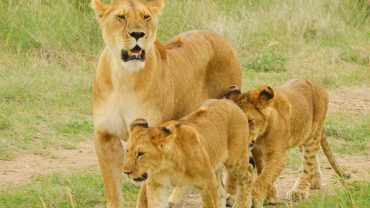
- Maasai Mara National Reserve: Famous for the Great Migration and abundant wildlife including lions, elephants, cheetahs, and buffalo. It’s a must-visita for first-timers.
- Amboseli National Park: Known for its stunning views of Mount Kilimanjaro and large herds of
- Lake Nakuru National Park: Renowned for flamingo flocks and rhino
- Samburu National Reserve: Offers a chance to see rare and unique northern species such as Grevy’s zebra and Somali ostrich.
- Tsavo National Parks (East & West): Vast wildlife areas with fewer tourists for a more secluded safari
Best Time to Go on Safari
The best time for safari largely depends on what you want to see
- Dry Season (June to October): This is the peak safari season because the weather is cooler and animals gather around water sources, making wildlife sightings easier. It’s also the time for the Great Migration crossing between July and September in Maasai Mara.
- Wet Season (November to May): Known as the “green season,” this period sees fewer tourists and lush landscapes. Although some roads may be muddy, this is the best time for birdwatching and seeing newborn animals.
How Much Does a Safari Cost?
Kenyan safari costs vary depending on the type of safari and level of luxury:
- Budget Safari cost $500 – $800 per day: Basic accommodation, group guided tours or self-drive options.
- Mid-Range Safari $800 – $1,200 per day: Comfortable lodges, private vehicles, and experienced guides.
- Luxury Safari $1,200 – $1,500+ per day: Exclusive lodges or tented camps, gourmet food, private guides, and tailored experiences.
Types of Safari
- Self-Drive: Ideal for adventurous travelers who want flexibility. You rent a 4×4 vehicle and explore at your own pace. Requires good planning and navigation skills.
- Guided Safari: Popular choice for first-timers. A professional guide drives and narrates, increasing your chances of spotting elusive wildlife and learning about the ecosystem.
- Luxury Safari: Combines comfort with exclusivity, including fly-in safaris, private guides, gourmet meals, and personalized itineraries. Perfect for those wanting a premium experience.
How Long Should Your Safari Be?
Safaris can range from 3 to 15 days or more
- 3-5 Days is great for a short but intense wildlife experience focusing on one or two key parks like Maasai Mara.
- 7-10 Days Allows you to explore multiple parks and enjoy a more leisurely pace.
- 10-15+ Days Offers the best value and experience, enabling you to discover both well-known reserves and off-the-beaten-path areas.
The longer the safari, the deeper your experience, so if time permits, opt for a longer trip.
Peak vs Off-Peak Travel Pros and Cons
Peak Season (June – October)
- Pros: Best wildlife viewing, especially migration; good weather.
- Cons: Higher prices, more tourists, advance booking necessary.
Off-Peak Season (November – May)
- Pros: Lower prices, fewer tourists, lush scenery, excellent birdwatching.
- Cons: Possible rain, some roads may be difficult, some lodges may close.
Comment (0)